Seeing small bumps around the head of your penis can be frightening. Many men immediately worry that they have a sexually transmitted infection, genital warts, or even cancer.
Fortunately, Pearly Penile Papules (PPP) are none of those.
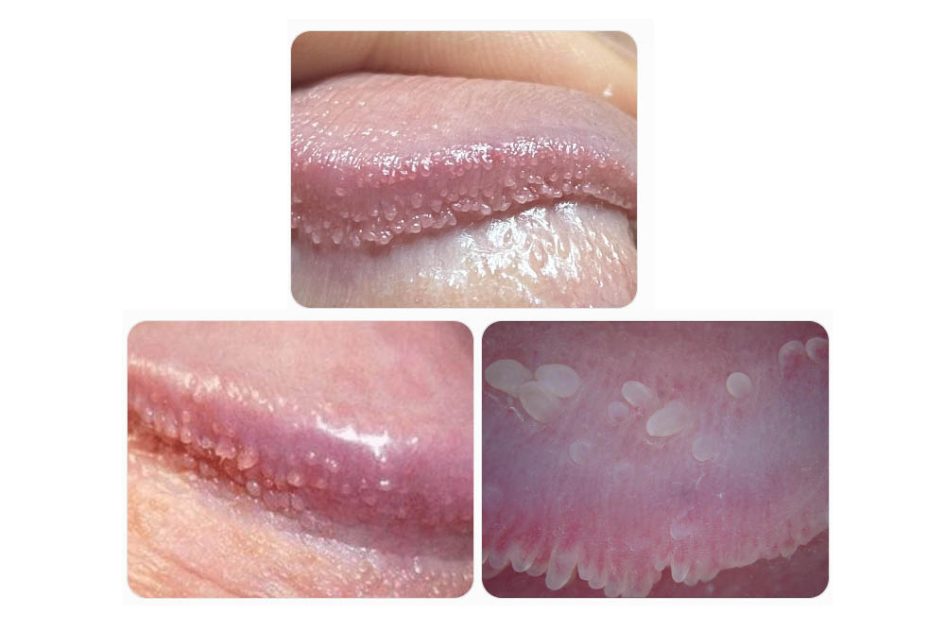
PPP are a normal anatomical variation found in many healthy men. They are benign, not contagious, not caused by poor hygiene, and not sexually transmitted. Studies suggest they may be present in up to 40% of men, making them much more common than most people realize.
The tiny, smooth, pearl-colored bumps usually form one or several rows around the rim (corona) of the head of the penis. They are often described as looking like small grains of rice or tiny pearls.
Do Pearly Penile Papules Need Treatment?
From a medical standpoint, no.
PPP do not become cancer, do not spread to other parts of the body, and usually cause no pain or physical problems.
However, many men choose treatment because they are embarrassed by their appearance or worry that a partner may mistake them for an STD.
What Is the Best Treatment?
After treating Pearly Penile Papules for more than 20 years, I have found that CO₂ laser removal provides the most precise and predictable cosmetic results.
Because every patient is different, treatment may require one to three sessions, and occasionally more, to safely remove all of the papules while allowing the skin to heal between treatments.
Once removed, PPP usually do not return.
What About Acid Treatments?
Years ago, some patients attempted to remove PPP using acids or other destructive chemicals.
These treatments may increase the risk of unnecessary pain, scarring, pigment changes, and incomplete removal. For that reason, I do not recommend them.
A carefully performed CO₂ laser treatment allows much greater precision while preserving the surrounding healthy tissue.
What Is Recovery Like?
Before treatment, I prescribe an antibacterial medication, an antiviral medication, and an antifungal medication, which are continued after the procedure to help reduce the risk of infection and support healing.
Most patients experience mild tenderness and healing over the following weeks. If additional treatment is needed, it is typically performed after the skin has completely healed.
You’re Not Alone
One of the most important things I tell my patients is this:
PPP are common. They are harmless. And they are treatable.
If the appearance of Pearly Penile Papules affects your confidence or causes anxiety, a consultation can help you understand your options and decide whether treatment is right for you.